A Dog's Life: An Embroidery Designer's Honest Take Before You Stitch
When I first opened the A Dog's Life design file, I was looking for something that felt both playful and reliable. As someone who has tested hundreds of machine embroidery designs for my own shop and for clients, I have learned that a good concept is not enough. The design has to hold up under the needle, read well on fabric, and make customers smile every time they see it. After spending time with this particular graphic, I can tell you exactly where it shines and where you need to be careful. This is not a marketing pitch. This is a practical review from someone who has ruined plenty of test fabric so you do not have to.
First Look: What This Design Brings to the Table
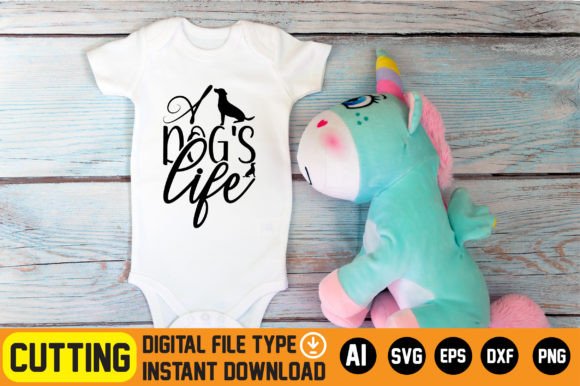
A Dog's Life has a warm, slightly nostalgic feel to it. The mood is lighthearted but not cartoonish, which makes it a strong candidate for a wide range of handmade products. The shape and layout are well balanced, with enough open space to let the subject breathe without feeling empty. The detail level sits in a sweet spot: it is detailed enough to look polished on a finished product, but not so dense that it becomes a headache to stitch on medium-weight fabrics. Visually, it feels like a design that belongs on a cozy sweatshirt, a sturdy tote bag, or a personalized gift for a dog lover. It does not scream for attention, but it holds it well.
From a graphic standpoint, the file arrives in a clean vector format. Because you receive an AI, EPS, SVG, DXF, and high-resolution PNG, it is easy to bring into your embroidery software for digitizing or to use as a printable mockup before you commit to stitching. The 300 DPI PNG is a nice touch for Etsy listings or social media previews. I always appreciate when a design asset doubles as a marketing tool for your small shop.
Real Project Test: The Custom Tote Bag That Sold It for Me
I decided to test A Dog's Life on a medium-weight canvas tote bag. This is a product I sell regularly at craft fairs, and it is a good stress test for any embroidery design. The fabric has some texture but is not overly stretchy, and it handles fill stitches well if the density is right. I used a medium tear-away stabilizer and a 60-weight bobbin thread to keep the back clean. The design stitched out smoothly with no skipped stitches or puckering along the edges. The satin stitch outlines held their shape, and the fill areas covered the fabric without sinking in too much.
I showed the finished tote to a few regular customers, and the reaction was immediate. One woman said it reminded her of her own dog's morning routine. Another asked if I could put it on a pillow cover. That is the kind of response you want as a small business owner. The design connects emotionally without being overly sentimental. It feels like a conversation starter, not just decoration.
Where This Design Works Best
After testing A Dog's Life on several product types, here is where I think it performs strongest:
- Custom apparel: Sweatshirts, t-shirts, and hoodies are a natural fit. The design sits well on the chest or upper back and does not fight the fabric drape.
- Tote bags and aprons: The layout handles the flat surface of a tote bag or apron front beautifully. Stitch clarity remains high even after multiple wears.
- Baby and kids items: The mood is friendly enough for a baby onesie or a toddler tee, especially if you scale it down carefully. Just watch your stitch density on lightweight knits.
- Pillow covers and tea towels: These home goods are an easy upsell for craft fairs. The design adds a handmade touch that customers perceive as high value.
- Embroidered patches: If you sew patches, this design digitizes well as a standalone patch. The shape is distinct enough to cut cleanly around the edges.
- Holiday and personalized gifts: This is a strong candidate for custom gifts. A dog owner will recognize the sentiment immediately, and the design feels giftable without being generic.
Where You Should Be Careful
No design is perfect for every situation, and A Dog's Life has a few limitations you should know about before you load the hoop.
Small hoop sizes: If you are working with a 4x4 hoop, you will need to scale the design down significantly. At small sizes, the finer details may lose clarity. I recommend testing on scrap fabric first to see if the stitch definition holds at your target size. If the design becomes muddled, consider using it on larger products or offering it in a larger format.
Stretchy or very thin fabrics: Lightweight knits and stretchy materials can cause the fill stitches to pull or distort. Use a cut-away stabilizer and a lightweight backing to keep the registration tight. I would not recommend this design on a slippery polyester blend without significant testing.
Dark fabrics: The design relies on contrast to read well. On dark fabrics, you will need to choose thread colors that pop. A white or light gray thread will work, but consider a subtle underlay to prevent the fabric color from showing through the fill areas.
Curved surfaces like caps: The layout is fairly wide, so fitting it on a cap front may require scaling down more than you would like. If you stitch caps regularly, test the placement with a paper template first.
Dense stitch areas: While the overall density is reasonable, there are sections where the fill stitches stack up. On thick fabrics like fleece, this can create a stiff spot. Reduce density slightly in your digitizing software if you have that option, or use a softer stabilizer.
How This Design Affects Your Product Value and Customer Trust
In my experience, the difference between a product that sells and one that sits on a shelf often comes down to how the embroidery feels to the customer. A Dog's Life has a finished look that communicates care. When a buyer sees a clean stitch-out with good thread coverage and no gaps, they trust that you put effort into your work. That trust translates into repeat business and word-of-mouth referrals.
For Etsy sellers and handmade shop owners, this design is a solid addition to your catalog. It fits the Crafts category well, and the Graphics file format makes it easy to preview in your listings. I have used the included PNG to create mockups for my shop, and it saved me time without needing to stitch a sample for every listing photo. Just be sure to check the licensing terms for commercial use before you sell finished products or digital items. The product description does not specify full commercial rights, so confirm that before you build a product line around it.
Practical Designer Notes Before You Stitch
Here are the steps I take before I commit any design to a production run. I recommend you do the same with A Dog's Life:
- Test on scrap fabric first. Use the same fabric type you plan to sell on. A test stitch-out reveals thread tension issues, density problems, and color balance better than any screen preview.
- Check thread color contrast. Hold your thread colors against the fabric in natural light. If the design blends into the background, adjust your palette before stitching.
- Review stitch density. If your software allows, inspect the density map. Areas with high density may need a reduction to prevent fabric puckering.
- Confirm hoop size. Make sure the design fits comfortably within your hoop with at least half an inch of margin on all sides. Cramming the design edge to edge increases the risk of registration errors.
- Inspect small details. Zoom in on the design file and look for any fine lines or tiny elements that might not stitch cleanly at your target size. Simulate the stitch-out if your software supports it.
- Test in black and white. Convert the design to grayscale in your software. This helps you see the value contrast independently of color. If the design looks flat in grayscale, the thread colors may not provide enough separation.
- Compare light and dark backgrounds. Stitch the design on both a light and a dark fabric sample. The same design can look completely different depending on the background.
- Use proper stabilizer. For most medium-weight fabrics, a medium tear-away works well. For stretchy or thin fabrics, switch to cut-away. Do not skip this step.
- Check licensing before selling. The product description does not explicitly state commercial use terms. If you plan to sell finished products or digital items featuring this design, contact the seller or review the license file in the zip folder.
- Keep a stitch log. After your test, note the thread colors, stabilizer type, hoop size, and any adjustments you made. This saves time when you reorder the design for future projects.
Final Thoughts on Using This Design for Real Projects
A Dog's Life is a versatile embroidery design that earns its place in a craft business or personal project lineup. It is not trying to be the loudest design in your collection, and that is exactly why it works. It appeals to a broad audience, stitches out reliably on the right fabric, and gives you a finished product that customers appreciate. If you take the time to test it properly and match it to the right product, it will serve you well in your shop, at your next craft fair, or as a thoughtful personalized gift.
As with any design asset, your success depends on how well you prepare. Check your hoop size, choose your stabilizer wisely, and always test before you sell. The Graphics files included in the download make it easy to preview and plan, so take advantage of that. And if you are an Etsy seller or small shop owner looking for a design that feels genuine and stitches clean, this one is worth a closer look.