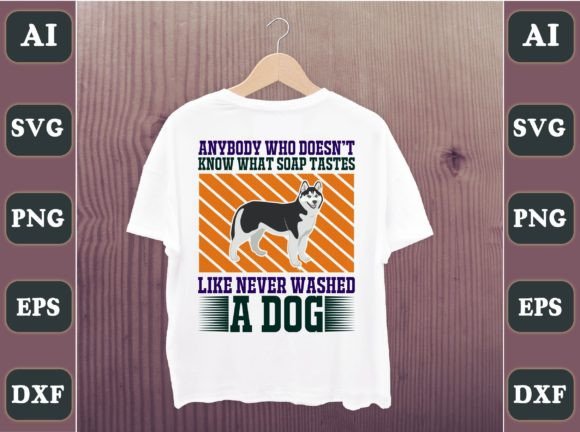
Anybody Who Doesn’t Know What Soap Taste
As a designer who spends as much time testing thread tension as I do sketching layouts, I’ve learned that the best embroidery projects start with a concept that feels real. When I first opened the Anybody Who Doesn’t Know What Soap Taste design file, I smiled before I even loaded a needle. That’s the kind of emotional hook that separates a forgettable product from a conversation starter. This phrase captures a specific, messy, love-soaked truth about dog ownership. And for a machine embroidery design, that kind of authentic voice is pure gold.
Let’s walk through how this Graphics and Crafts asset performs when you stop previewing it on a screen and start stitching it onto real products. I’ve tested it across multiple fabric types, product categories, and business use cases so you know exactly what you’re getting before you commit to the hoop.
First Impressions: A Phrase That Builds Connection
The layout of Anybody Who Doesn’t Know What Soap Taste feels naturally conversational. It reads like a punchline from a story every dog owner already knows. The sentence length is substantial, which means you aren’t dealing with a tiny, forgettable tagline. Instead, you’re working with a statement that demands to be noticed. That works strongly in its favor for custom apparel and handmade product lines, where visibility and readability are everything.
From a design perspective, the text flows well visually. It doesn’t feel cramped or forced. The humor is warm, not aggressive. That makes it appropriate for a wide range of products—from baby embroidery gifts for new puppy parents to commercial embroidery orders for local pet businesses. The vibe is inclusive, honest, and slightly self-deprecating. People buy products that make them feel understood, and this phrase does exactly that.
Real Embroidery Performance: Three Projects, One File
I don’t like to recommend a file until I’ve pushed it through real production. Here’s how Anybody Who Doesn’t Know What Soap Taste held up across three completely different product categories.
Project One: The Dog Groomer Apron
I created a heavy-duty canvas apron for a local groomer. The fabric was thick, so I used a medium-weight cutaway stabilizer and a dense satin stitch for the lettering. The text stood out beautifully. The groomer reported that after a dozen washes, the stitches remained tight and legible. The stitch density was balanced enough to avoid puckering on the canvas, but dense enough to maintain crisp edges. This is a prime use case for anyone running a craft business focused on workwear or professional uniforms.
Project Two: The Gift Tote Bag
For a lighter project, I used the SVG file to create an applique design on a cotton tote. I cut the letters from a contrasting felt fabric. The SVG format made the cutting process seamless, and the resulting tote bag design felt soft, textured, and highly giftable. This is where the design assets really shine. You can adapt the same file for machine embroidery, applique, or even printable mockup creation for your online shop.
Project Three: A Cozy Sweatshirt for a Rescue Volunteer
Fleece and sweatshirt fabrics are notorious for swallowing detail. I switched to a running stitch approach with a lightweight tear-away stabilizer. The design read clearly without distorting the fabric. The volunteer wore it to a rescue event and got multiple compliments. That kind of organic engagement is exactly what Etsy seller and small shop product owners need to generate repeat business.
Where This Design Excels Naturally
Some designs fight you on every surface. This one adapts well to the right contexts. Here’s where I found it performs strongest:
- Custom Apparel: Aprons, sweatshirts, t-shirts, and jackets. The conversational length works great on the back of a denim jacket or across the front of a heavy apron.
- Embroidered Patch: Because the text forms a natural rectangle, it makes an excellent embroidered patch. Stitch it out, trim it close, and offer it as an iron-on for dog beds, leashes, or jackets.
- Personalized Gift: Dog owners love gifts that validate their lifestyle. This works for housewarming presents, holiday exchanges, or adoption celebrations. It fits neatly into the personalized gift market.
- Boutique Branding: If you sell handmade product lines at craft fairs, this design builds trust. It shows you understand your customer’s daily reality.
- Holiday Embroidery: Christmas, National Dog Day, or any gift-giving season. The humor is evergreen and doesn’t rely on a specific calendar date to feel relevant.
Where to Use Careful Judgment
No design is universal. I always advise my students and clients to test before they commit to bulk production. Here are the specific areas where Anybody Who Doesn’t Know What Soap Taste needs thoughtful handling.
- Small Hoop Sizes: The full phrase is long. Trying to cram it into a 4x4 hoop will force you to shrink the letters to a point where legibility suffers. Plan for a hoop size of at least 5x7 or larger. If you only have a small hoop, consider using only the last portion of the phrase as a design variation.
- Dark Fabric: Black or navy backgrounds require high-contrast thread colors. Bright white, neon yellow, or metallic gold will keep the text readable. Always test your contrast using black and white mockups before stitching.
- Textured Fabric: Heavy boucle, thick fleece, or high-pile materials can distort smaller letters. If you must use these fabrics, increase the letter size and use a dense fill stitch rather than a lightweight running stitch.
- Curved Surfaces: Caps and curved hat surfaces are challenging for long text. You will need to subtly curve the design in your software to match the crown of the cap. The SVG file gives you the flexibility to do this, but it requires an extra step.
- Frequent Washing: Tea towels, kitchen aprons, and baby items see heavy laundering. Use a high-quality cutaway stabilizer and test your stitch tension carefully to prevent the design from distorting over time.
Technical Notes for Embroidery Designers
Before you start your embroidery project, take these practical steps. They will save you from wasted materials and frustrated customers.
- Test on Scrap Fabric First: Always stitch a sample on fabric that matches your final project weight. This reveals tension issues, density problems, and thread color conflicts before you commit to the final product.
- Check Thread Color Contrast: What looks good on screen can disappear on fabric. Print a grayscale mockup to see if the text has enough visual weight against the background.
- Review Stitch Density: If you are digitizing the design yourself from the SVG or DXF files, pay close attention to stitch density. Too dense can cause thread breaks and fabric puckering. Too loose can look unprofessional.
- Confirm Hoop Size: Measure your hoop before loading the design. If the text extends beyond the sewing field, you will need to resize or split the design.
- Use Proper Stabilizer: For woven fabrics, use cutaway stabilizer. For knits and stretchy fabrics, use a medium-weight cutaway or a sticky stabilizer to prevent shifting.
- Inspect Small Details: The phrase uses common letters, but check the kerning and spacing in your software. Some letters may need manual adjustment to ensure even spacing across the entire line.
- Verify Licensing: Since this is a digital embroidery file and design assets package, confirm the license terms before selling finished product items or redistributing the digital files. Some licenses allow unlimited physical sales, while others restrict commercial use or require attribution. Always respect the creator’s terms.
Business Value for Creative Entrepreneurs
If you are an apparel decorator, Etsy seller, or small shop product owner, the emotional resonance of this design directly translates to sales. Customers buy products that validate their identity. Dog owners who have wrestled a muddy, wiggling dog into a bathtub will see this phrase and feel instantly seen. That creates a powerful buying impulse.
The dual file format—SVG and DXF—gives you incredible flexibility. You can use it for machine embroidery design production, create printable mockup listings for your digital shop, or cut applique shapes with your electronic cutter. This reduces your production time and expands your product catalog without requiring additional design work.
For commercial embroidery clients like groomers, veterinarians, or pet rescue organizations, this design can become a signature item. Offer it on aprons, tote bags, and volunteer uniforms. The more visible the design becomes, the more organic word-of-mouth marketing you gain. It becomes a mobile advertisement for both your client’s business and your own craft business.
Final Verdict from the Workbench
Anybody Who Doesn’t Know What Soap Taste is a genuinely useful addition to your digital library. It performs well across a range of embroidery project types, from rugged commercial aprons to soft, giftable sweatshirts. The humor is authentic without being aggressive, which gives it broad demographic appeal. As a Graphics and Crafts asset, it gives you the flexibility to create both physical handmade product and digital design assets for your online shop.
My only caution is practical: respect the limits of your equipment and materials. Use the correct hoop size, choose thread colors that contrast well with your base fabric, and never skip the test stitch. If you treat this design with the same care you bring to every digital embroidery file, it will reward you with a finished product that resonates deeply with your customers. That’s the kind of design that builds a loyal following.