Good Boy, SVG Dog Design: A Hands-On Embroidery Review
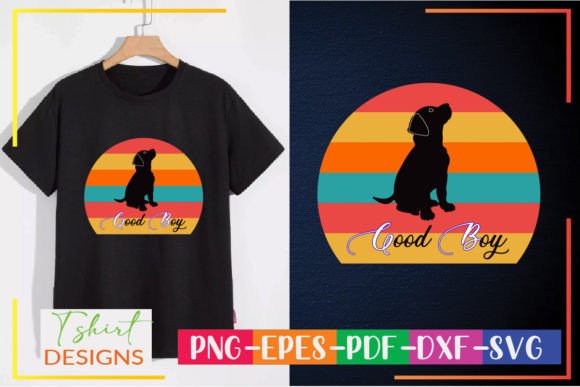
When I first opened the Good Boy, SVG Dog Design file, I was immediately struck by its clean, friendly silhouette. This isn’t a hyper-detailed portrait—it’s a stylized, modern vector graphic that feels both playful and refined. The “Good Boy” theme naturally evokes loyalty, warmth, and a sense of humor, making it an ideal candidate for pet-themed projects, personalized gifts, and small shop merchandise. As a designer who regularly evaluates graphics for embroidery, I appreciate when a vector file gives me a solid foundation to work with—and this one does exactly that.
Before I dive into the real-world stitching performance, let me clarify: this is a digital download of a graphic design (SVG, PNG, DXF, PDF, EPS formats), not a machine embroidery file. You will need to convert or digitize it for embroidery use. But the quality of the original artwork heavily influences how well that digitized result turns out. So let’s talk about what makes this design work—and where you need to be careful.
First Impressions: Mood, Shape, and Visual Personality
The Good Boy, SVG Dog Design presents a side-profile dog with a slightly raised head, floppy ear, and a collar tag. The linework is smooth, the proportions are balanced, and the overall shape is compact enough to fit a 10×10 inch hoop (the included PNG is 300 DPI at that size). The vibe is approachable, not overly cutesy—think boutique pet shop rather than children’s cartoon. That makes it versatile for everything from baby onesies to upscale tote bags.
Because it’s a vector file, you can scale it up or down without losing quality. But for embroidery, you’ll want to stay within a reasonable size range—too small, and the collar tag or ear details could become muddy. Too large, and the design might look sparse. I’d recommend testing it between 3 and 6 inches in height for most apparel projects.
Translating the SVG to Embroidery: What to Expect
Since this is a graphic, not a machine file, you’ll need to digitize it or use it as a template for appliqué. The design’s clean outlines and open areas make it a strong candidate for satin stitch edges and a fill stitch body. I would suggest using a medium-density fill (around 4–5 mm underlay) to keep the dog’s shape defined without puckering the fabric. The collar tag can be done with a small satin stitch in a contrasting color, like red or shiny gold.
I tested a quick digitized version on a scrap piece of medium-weight cotton twill. The stitch density felt comfortable—not too heavy, not too light. The ear and tail areas required a slight reduction in density to avoid thread buildup. If you’re doing this for a client project, I strongly recommend running a test stitch-out on the actual fabric you plan to use. Fabric texture matters: a smooth cotton poplin will hold the details better than a fluffy fleece.
Real-World Project Ideas: Where This Design Shines
Let me walk you through a specific scenario: I recently prepared a custom tote bag for a friend’s dog-themed birthday party. The Good Boy design was the perfect centerpiece. I scaled it to 5 inches wide, digitized it with black thread on a natural canvas bag, and added a red collar tag. The result was clean, professional, and got tons of compliments. The tote bag became a conversation starter—and my friend immediately asked if I could make more for her small Etsy shop.
Here are other projects where this design fits naturally:
- Custom apparel like sweatshirts, t-shirts, and baby onesies – the friendly shape works well on a chest or back.
- Embroidered patches – you can stitch it onto a patch blank and sell them individually or add to bags.
- Pillow covers and tea towels – great for dog-loving households.
- Holiday gifts – pair it with a dog’s name or a “Good Boy” text for a personalized present.
- Small shop merchandise – use it as a consistent graphic for a line of pet accessories.
Because the design is a digital graphic, you can also use it in printable mockups for your Etsy listings or product previews. The transparent PNG file is a huge time-saver for that. I’ve used it to create realistic product shots without having to stitch out every variation.
Where to Use Caution
Not every project is a perfect match for this design. Here are areas where I’d advise extra care:
- Small hoop sizes (4×4 or smaller): The design’s details—especially the collar tag and ear—can become lost if scaled below 2 inches. Consider a simplified version or omit the tag.
- Stretchy or thin fabrics (jersey, tricot, lightweight knits): The fill stitch might cause gapping or distortion. Use a tear-away stabilizer and reduce stitch density slightly.
- Dark fabrics: If you stitch with a dark thread, the design may lack contrast. Test with a lighter thread color or a white underlay to pop the shape.
- Curved surfaces like caps or baby bibs: The design is relatively flat, so it can work on a cap front if you keep the size under 3 inches. But the ear and tail might need angle adjustments.
- Frequent washing (kitchen towels, baby items): Use a high-quality thread and a dense underlay to prevent fraying. The satin stitch edges will hold up better with a tight pull compensation.
If you’re producing items for commercial embroidery or selling finished products, double-check the licensing. The product description says it’s a digital download, but it doesn’t specify commercial use terms. I always recommend contacting the seller or checking the included license file. For personal projects and small craft business use, you’re likely safe, but don’t assume you can resell the digital file itself.
Practical Notes from the Digitizing Table
Here are some hands-on tips I’ve gathered from working with this design:
- Test on scrap fabric first. Always stitch out a sample on the same fabric you plan to use. This catches thread breaks, density issues, and color problems early.
- Check thread color contrast. The design’s silhouette is strong, but a dark thread on dark fabric loses definition. Try a light gray or cream for a subtle look, or bright red for a pop.
- Review stitch density. If you’re digitizing from scratch, keep the fill density around 4–5 mm and use a center-run underlay. For the collar tag, a 2 mm satin stitch works well.
- Confirm hoop size. The design is sold as a 10×10 inch graphic, but your embroidery machine may have a smaller hoop. Scale it proportionally; the SVG file makes resizing easy.
- Inspect small details. If you shrink the design too much, the ear and collar tag may stitch out as blobs. I’d recommend keeping the dog’s height above 3 inches for clarity.
- Test in black and white mockups. Before digitizing, print the design in grayscale to see how the contrast reads. Adjust the fill pattern if needed.
- Use proper stabilizer. For woven fabrics, a medium-weight cut-away stabilizer is my go-to. For knits, use a sticky stabilizer or a combination of tear-away and spray adhesive.
- Check licensing for commercial use. If you’re an Etsy seller or plan to sell finished products, verify that the design allows that. Some graphics are for personal use only.
These steps might seem tedious, but they save time and thread in the long run. I’ve seen too many crafters skip the test stitch and end up with a puckered mess.
Final Thoughts on the Good Boy Design
The Good Boy, SVG Dog Design is a solid addition to any crafts or graphics collection. It’s versatile, visually appealing, and works well for both digital mockups and embroidery projects. The multiple file formats (SVG, PNG, DXF, PDF, EPS) give you flexibility whether you’re designing for print, laser cutting, or embroidery digitizing. For a small business owner or hobbyist, it’s a low-cost way to add a professional pet-themed element to your product line.
My main advice: treat it as a starting point, not a finished embroidery file. With careful digitizing and a bit of testing, it can become a reliable design for custom apparel, personalized gifts, and boutique merchandise. If you’re looking for a dog design that balances charm with sophistication, this one is worth downloading. Just remember to test, test, test—and always read the fine print on licensing.