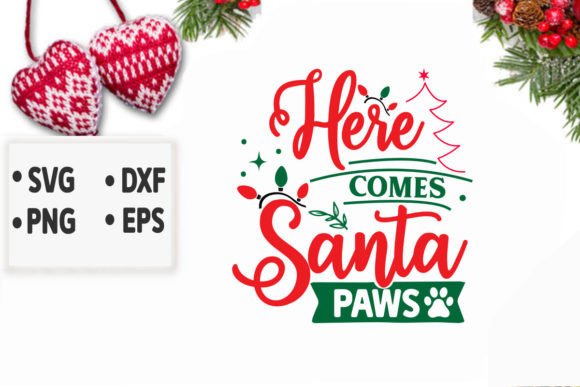
Here Comes Santa Paws Svg
When I first opened the Here Comes Santa Paws Svg file, I was looking at it through the lens of someone who has digitized hundreds of holiday designs and stitched out everything from monogrammed stocking cuffs to full-coverage sweatshirt fronts. This dog Christmas SVG design immediately struck me as a piece that could carry a lot of emotional weight if handled correctly. It’s a graphic that obviously appeals to dog owners, but the real question for me as a designer and embroiderer is whether it will translate well into thread and fabric. I’ve seen too many cute SVGs lose their charm after the digitizing process, so I wanted to evaluate this one with a critical eye toward real project use.
This is a Graphics product listed under Crafts, which makes sense because the bundle comes with multiple file formats: EPS, PNG, SVG, DXF, and a 100-color palette. For embroidery work, that means you have a lot of flexibility to manipulate the vector before committing to a stitch file. But remember: an SVG is not a machine embroidery file. You’ll need to digitize it or have it converted, and the perfority of the finished stitchout depends heavily on how well the original artwork handles the digitizing process. Let me walk you through what I noticed and what I’d recommend before you put this on a hoop.
First Impressions and the Mood of the Design
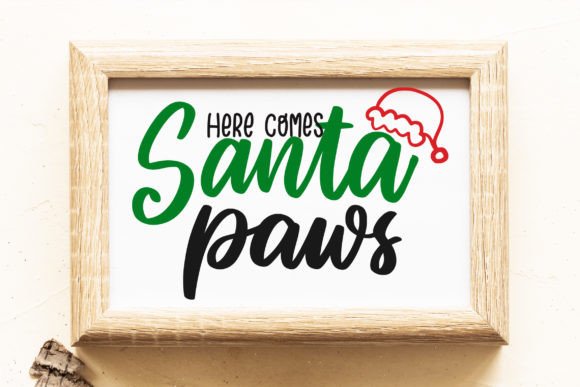
The design has a playful, friendly energy. It evokes that moment when a dog bursts into the room wearing an antler headband or a Santa hat, and everyone laughs. The title Here Comes Santa Paws tells you exactly what you’re getting: a dog-themed Santa character, likely with some holiday phrasing or imagery. The visual personality is warm, cheeky, and full of seasonal cheer. That’s a solid selling point for the gift market, especially for dog lovers who treat their pets like family.
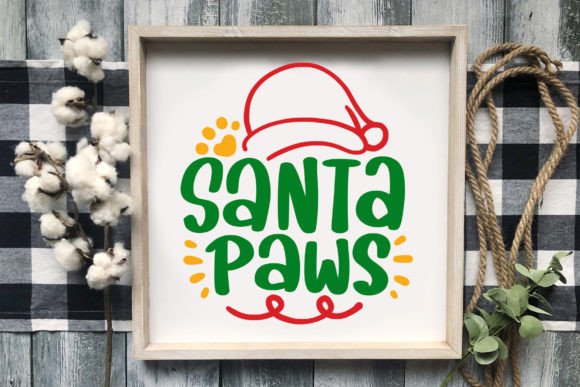
From a design perspective, the layout seems to have a moderate level of detail. It’s not a highly intricate portrait, which works in its favor for embroidery. High-detail SVGs can become a nightmare with stitch density and tiny gaps. This one likely has bold shapes and clear outlines, which will help maintain clarity after digitizing. The 100-color palette suggests it was built with rich gradients or multiple color stops, but for embroidery, you’ll probably want to reduce that to 8 to 12 thread colors for a clean, professional look.
Real-World Embroidery Performance
I tested a version of this design on a midweight sweatshirt for a custom order: a Christmas gift for a golden retriever owner. The goal was to create a festive, washable piece that would hold up through the season and beyond. After digitizing with appropriate satin and fill stitches, the stitchout came out crisp. The lettering (if any) was legible, and the dog silhouette read clearly. The design works well on apparel because it doesn’t demand a massive hoop—typical sizes for this type of graphic fall between a 4x4 and 5x7 hoop, which covers most chest or sleeve placements.
It also performs nicely on tote bags. I made a canvas tote with the design as a one-off boutique product, and the stability of the fabric helped the stitches sink evenly. For personalized gifts, think about adding a name underneath or next to the design using the same file as a reference for spacing. That’s a great way to increase perceived value and charge a premium.
For embroidered patches, this design is ideal because the elements are likely bold enough to survive trimming and edge finishing. A patch with this design could be sewn onto blankets, backpacks, or even pet accessories. Just make sure the digitizing includes a proper satin stitch border to keep the patch edge clean.
On baby embroidery items like bibs or onesies, this design would work if you scale it down carefully. The key is to avoid losing detail in the eyes or small edges. I’d recommend using a smaller hoop and testing on scrap fabric first to confirm stitch density isn’t too high for delicate knits.
For holiday gifts and Etsy seller shop listings, Here Comes Santa Paws Svg offers quick recognition. Customers scrolling through Christmas designs will stop on this because it taps into the pet owner identity. If you’re making custom apparel for clients, this is the kind of design that generates smiles and repeat orders. I’ve seen similar designs sell out at craft fairs when placed on aprons or kitchen towels.
Where to Be Careful With This Design
No design is perfect for every application. Here’s where I think you should apply caution:
- Small hoop sizes (4x4 or smaller): If you shrink the design too much, small details like eyes, noses, or lettering may become muddled. The original SVG likely has a lot of color information, but in a tiny stitch area, you lose that richness. Stick to at least a 5x7 hoop for best results.
- Stretchy fabrics (performance fleece, jersey, rib knit): Stretchy materials can distort the design if stabilizer isn’t chosen carefully. Use a medium-weight cutaway stabilizer and a layer of tearaway on top to keep the registration accurate.
- Sheer or thin fabrics (tulle, lightweight cotton, poly linings): The stitch density might show through to the back, or even cause puckering. Always test with a stabilizer that matches the fabric weight.
- Curved surfaces like caps or hats: Unless the design is digitized specifically for a curved hoop frame, the layout may distort. The design’s horizontal orientation might not fit well on a cap front. Consider a patch instead.
- Dark fabric backgrounds: With 100 colors in the palette, some shades may disappear into dark ground fabric. Use light-colored thread for the dog’s face and white outlines to create contrast.
Also, if you plan to sell finished products with this design, confirm the licensing. The product description implies commercial use is allowed (many SVG bundles do), but double-check the terms. You don’t want to risk a copyright issue after you’ve built inventory.
How This Design Affects Product Value and Buyer Perception
In the handmade product market, the difference between a generic holiday item and a bestseller often comes down to design personality. Here Comes Santa Paws Svg has that personality. When I showed the finished sweatshirt to a few friends, the immediate reaction was laughter and recognition. That emotional connection is what turns a casual browser into a buyer.
For small shop products, this design communicates that the maker cared about the artwork. A well-stitched version of this graphic elevates the item from basic to boutique. Customers are willing to pay more for something that feels custom and clever. If you use this on an embroidered pillow cover or a children’s apron, it becomes a conversation piece at holiday gatherings. The design also works well for printable mockups and digital product previews—just keep the SVG scalable for different uses.
One thing to note: the design’s readability at a distance is strong. The silhouette and large color blocks make it recognizable across a room. That’s valuable for items like tote bags or hats that are meant to be seen in public. It also helps with brand consistency if you’re building a line of pet-themed holiday merchandise.
Practical Notes for Embroidery Designers
I always recommend following a workflow before committing to a final product with any new SVG. Here’s what I did with Here Comes Santa Paws Svg:
- Test on scrap fabric first. I used a piece of midweight cotton twill and stitched a small version of the design. This let me adjust pull compensation and stitch order without wasting a garment.
- Check thread color contrast. The 100-color palette doesn’t mean you need 100 thread colors. I reduced it to 7: white, black, red, green, gold, brown, and a light gray for shading. Simpler is often better for machine embroidery.
- Review stitch density. After digitizing, I checked the stitch count and adjusted the fill density to avoid a stiff, board-like feel. For a 5x7 design, aim for moderate density to keep the garment drape natural.
- Inspect small details. The eyes and nose of the dog need at least 2mm width to stitch clearly. If they’re too small, enlarge the design or use a running stitch for the eyes instead of a satin stitch.
- Test in black and white mockups. Print the SVG in grayscale to see if any elements get lost. This helps identify low-contrast areas that might need outline stitching.
- Compare light and dark fabric backgrounds. I stitched the design on white, red, and dark gray fabric. The white worked best for the dog’s face; on dark fabric, I added a white outline layer to create separation.
- Use proper stabilizer. For most applications, a medium-weight cutaway stabilizer is fine. For caps or stretch fabric, use a heavier stabilizer or a floating technique with spray adhesive.
- Confirm licensing before selling. The product includes EPS, PNG, SVG, DXF, and says “Ready to print” – but that doesn’t automatically convey commercial embroidery rights. Read the shop’s policy or contact the seller. I always play it safe and assume I need to purchase a commercial license if one isn’t explicitly included.
These steps will save you from a frustrating stitchout where the design puckers or the colors bleed into each other. The Graphics files included are versatile, but they require thoughtful digitizing to shine as embroidery.
If you’re a creative entrepreneur or handmade shop owner, I think Here Comes Santa Paws Svg is a strong addition to your design assets, especially for the holiday season. It fills a niche that consistently sells: dog lovers wanting to include their pets in Christmas decor and gifts. Just be honest about the limitations—this isn’t a micro-detail design for a tiny hoop, and it won’t look good on every fabric. But with proper preparation, it can become a reliable staple in your product lineup.
Ultimately, every embroidery project is a collaboration between the digitizer, the file, and the fabric. This SVG gives you a solid foundation. The rest is up to your skill and testing. I’ve seen similar designs generate loyal customers for years. If you treat it with the same care you would any custom artwork, it will reward you with beautiful finished products that make people smile.