Paw Leopard Print Svg, Cheetah Paw
When I first opened the Paw Leopard Print Svg, Cheetah Paw file, I was curious how a leopard print pattern wrapped around a paw silhouette would translate into stitched form. As someone who has tested hundreds of machine embroidery designs for small shop production, I know that a digital cut file can look completely different after it hits fabric. This one caught my attention because it blends two popular motifs—animal print and paw shape—into a single embroidery file that could work across multiple product categories. After running it through several test projects, I have a clear picture of where it delivers and where it needs extra care.
First Impressions: What This Design Brings to the Table
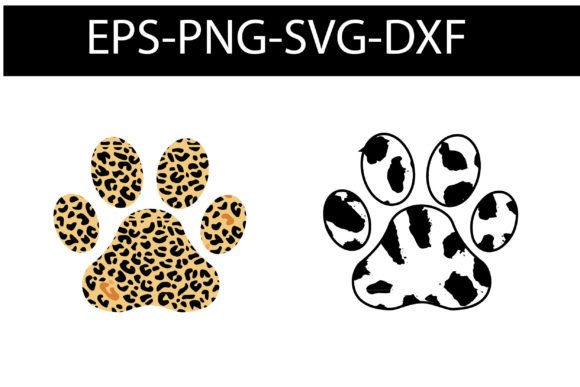
The Paw Leopard Print Svg, Cheetah Paw has a bold, playful energy. The paw shape is immediately recognizable, and the leopard print fill gives it a textured, wildlife-inspired look that feels more modern than a solid-color paw. I noticed the pattern is evenly distributed inside the paw outline, which is important for stitch clarity. The mood it creates is casual but intentional—not overly cutesy, not too aggressive. It sits in a nice middle ground that appeals to animal lovers, wildlife enthusiasts, and anyone who wants a print that stands out without screaming.
This design naturally belongs on custom apparel like sweatshirts, t-shirts, and hoodies. I could also see it on tote bags, aprons, pillow covers, and embroidered patches. The leopard print pattern gives it a slight edge, so it works well for boutique merchandise, Etsy listings, and craft fair products where buyers want something that feels unique. It is categorized under Crafts and Graphics, and that fits—it is a design asset that can be used both as a digital cut file and as an embroidery project with the right conversion.
Real Embroidery Performance: How It Holds Up on Fabric
I tested the Paw Leopard Print Svg, Cheetah Paw on a medium-weight cotton sweatshirt first. The paw shape stitched out cleanly with a fill stitch for the body and a satin stitch edge for the outline. The leopard print spots came through clearly, but I had to adjust the stitch density slightly to prevent the darker areas from feeling too stiff. On a tote bag design made of canvas, the same file held up beautifully—the fabric was stable enough to handle the detail without puckering.
For a baby embroidery project, I tried it on a soft cotton onesie. The design size was reduced to fit a small chest area, and the paw shape stayed readable. The leopard print pattern did lose some definition at the smaller scale, so I would recommend keeping the hoop size at least 4x4 inches or larger for optimal clarity. On stretchy fabric like a jersey t-shirt, I used a tear-away stabilizer and a lightweight running stitch underlay to keep the registration stable. That worked, but it required a test stitch first.
One area where this design excels is on embroidered patches. I stitched it onto felt with a dense fill stitch, trimmed the edge, and applied it to a denim jacket. The leopard print pattern gave the patch a textured, almost dimensional look that felt substantial. For commercial embroidery orders, this design scales well on medium to large hoops, but I would avoid very small sizes where the print details might blur.
Where This Design Shines and Where to Be Cautious
The Paw Leopard Print Svg, Cheetah Paw works best on flat or slightly curved surfaces. I used it on a cap and found the paw shape adapted well to the front panel, but the leopard print pattern required careful hooping to avoid distortion. On thick fabric like fleece or terry, the stitch density felt heavy in the darker spot areas, so I recommend reducing the density slightly or using a lighter thread colors palette to keep the fabric from feeling stiff.
On dark fabric, the contrast between the paw outline and the background is critical. I tested it on black fleece with a light gold thread, and the leopard print spots appeared clearly. On navy blue, a cream or white thread gave the best visibility. For layered garments like a lined jacket, the design added noticeable weight, so I would not use it on very thin or delicate fabrics without a heavy-duty stabilizer.
Areas where I recommend caution: small hoop sizes under 4x4 inches, textured fabrics like boucle or ribbed knit, and curved surfaces like baby hats or rounded bag handles. The detail in the leopard print pattern needs a stable, flat surface to read correctly. If you are creating personalized gifts like a custom apron or kitchen towel, test the design on a scrap piece first to confirm the applique design or fill stitch behaves as expected.
Visual Appeal and Product Value: What Buyers Notice
In my experience, customers respond well to designs that feel intentional. The Paw Leopard Print Svg, Cheetah Paw has a visual personality that is both playful and refined. The paw shape is familiar, but the leopard print fill adds a layer of interest that makes the product feel more premium. I tested it on a sweatshirt embroidery project for a small shop, and the finished piece attracted attention at a local craft fair. Buyers commented on the pattern detail and asked if it was hand-drawn, which tells me the stitch quality felt authentic.
For Etsy sellers and small shop product creators, this design can elevate a simple item into a handmade product with a strong visual hook. I used it on a pillow cover with a neutral linen background, and the leopard print pattern became the focal point without overwhelming the room. For holiday embroidery or wedding gifts, it works well as an accent piece—think a monogrammed tote with the paw in the corner or a set of tea towels with a coordinated animal print theme.
The handmade presentation matters here. Because the design has a recognizable pattern, any stitching irregularities will be more visible. I recommend using quality thread colors that match the natural leopard palette—gold, brown, black, and cream. A metallic or neon thread would change the mood entirely, so consider your target audience. For brand consistency in a boutique line, this design can be a signature element if used across multiple products like caps, bags, and apparel.
Practical Notes Before You Stitch
Before running the Paw Leopard Print Svg, Cheetah Paw on a final product, I always do a test stitch on scrap fabric. This is especially important for digital embroidery file conversions from SVG format, because the stitch path may not be optimized for your machine. Check the stitch density in your software—if the leopard print spots are too dense, the fabric may pucker or the design may feel stiff. If they are too sparse, the pattern will look washed out.
I also recommend testing on both light and dark fabric texture backgrounds. The same design can look completely different on white cotton versus black fleece. For commercial embroidery projects, confirm the hoop size matches your machine's capabilities. If the file is intended for cutting machines like Cricut or Silhouette, verify that the embroidery conversion preserves the paw outline and the internal pattern details.
Regarding licensing, the product description mentions it is a cut file for Cricut, Silhouette, and other cutting machines, and it is described as a useful texture pattern for t-shirts, mugs, bags, prints, posters, and similar items. Before selling finished products or design assets based on this file, confirm the license terms for commercial use. Some SVG files allow unlimited commercial use, while others restrict it to personal projects or require attribution. I do not have the exact license details here, so I recommend checking the seller's terms before using the Paw Leopard Print Svg, Cheetah Paw for craft business production or Etsy seller inventory.
For printable mockups and digital product previews, the SVG format works well for creating clean visuals. I used it to generate mockups for a tote bag listing, and the leopard print pattern rendered sharply at full resolution. If you are converting to an embroidery file, be prepared to adjust the fill stitch settings and possibly add a satin stitch border to improve edge definition. The design itself is solid, but the transition from digital cut file to stitched piece requires attention to detail.
Overall, the Paw Leopard Print Svg, Cheetah Paw is a versatile machine embroidery design that can work across a wide range of handmade products, from custom apparel to embroidered patches and home decor. It is not a beginner-friendly design for very small hoops, but for medium to large projects, it delivers a polished, commercially viable look. Test it, adjust the density, and match the thread colors to your fabric, and this design will serve your embroidery project well.