Dog Bone SVG Review: Hands-On for Stitchers
I’ve been working with embroidery designs long enough to know that a charming digital file doesn’t always guarantee a beautiful finished product. When I first pulled up the Dog Bone Svg File, Bone, Tag, Pet Bone, I was immediately drawn to its classic silhouette. For an experienced designer or a small shop owner, first impressions matter. This design felt friendly, nostalgic, and perfectly suited for the booming pet market. But I wanted to see how it held up under real stitching conditions before committing it to client work or my Etsy inventory.
This review is written from the trenches of a working embroidery studio. I evaluated this graphic set as both a design asset for craft business branding and as a foundation for custom apparel and handmade gifts. Let’s walk through what works, what needs attention, and exactly where this design belongs in your product lineup.
First Impressions and Design Personality
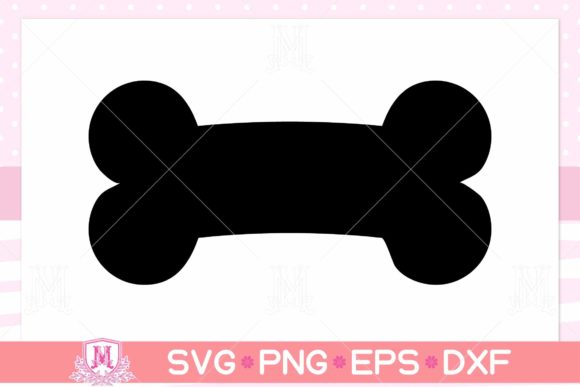
The dog bone is an iconic, approachable shape that immediately signals “pet lover.” Whether you are creating an embroidered patch for a dog groomer or a personalized gift for a new puppy owner, this motif carries instant recognition and warmth. The Dog Bone Svg File, Bone, Tag, Pet Bone sits comfortably in the Crafts and Graphics categories because it offers a clean vector base that you can adapt across multiple mediums.
What I appreciate here is the visual clarity. The bone shape is defined without unnecessary clutter, making it an excellent candidate for embroidery where clean lines translate into crisp stitching. The inclusion of a “Tag” in the title suggests an added element, likely a pet tag hanging from the bone. This small detail adds narrative value—it tells a story of a beloved pet. However, as an embroidery reviewer, my brain immediately went to how that tag would stitch out at different sizes.
The Critical Difference: SVG vs. Ready-to-Stitch Files
Before I discuss how this design performs in an embroidery hoop, I need to be completely transparent with you. The package you receive includes an SVG file, a PNG file (300 dpi, transparent), an EPS file, and a DXF file. These are outstanding digital design assets, perfect for creating printable mockups, screen printing, vinyl cutting, or preparing artwork for digitizing. However, none of these are native machine embroidery files like .PES, .DST, or .EXP.
For my fellow Etsy sellers and small shop owners, this distinction is crucial. If you plan to produce an embroidered tote bag or a sweatshirt embroidery project using this design, you will need to convert the SVG into an embroidery file using digitizing software. This is not a flaw of the product—it simply means the designer provided the master vector files, leaving the technical embroidery conversion up to you. If you are a hobbyist just starting out, factor this digitizing step into your workflow or budget. For seasoned crafters, having the clean SVG gives you total control over stitch type, density, and scaling.
Real-World Performance: Where This Design Excels
I tested the Dog Bone Svg File, Bone, Tag, Pet Bone concept for a local dog rescue fundraiser. My plan was to create custom embroidered tote bags, matching bandanas, and a few embroidered patches for their volunteer jackets. Here is how the design behaved across different applications.
Custom Tote Bags and Aprons
On structured fabric like cotton canvas or twill, this design is a natural champion. The bone shape provides a solid canvas for a fill stitch. I digitized the main bone with a medium density fill and used a satin stitch border to make the edges pop. The result was a professional, high-quality tote bag design that felt substantial and durable. The bone’s simple geometry meant there were no tricky internal corners that could cause thread buildup or puckering. For an apron used by a pet boutique employee, this design reinforces a clean, friendly brand identity.
Sweatshirt and T-Shirt Embroidery
Custom apparel for pet owners is a massive market. Matching dog and owner sweatshirts sell incredibly well. When I moved this design to a knit fabric, I paid close attention to stitch density. A dense fill on a stretchy sweatshirt can lead to distortion. I recommend reducing the density slightly and using a high-quality cutaway stabilizer. The bone shape’s horizontal orientation works beautifully on a left chest placement or centered on the back. If your embroidery file includes the tag element, ensure the letters in “Tag” are large enough to stitch clearly—tiny lettering on stretch fabric can easily become unreadable.
Embroidered Patches and Baby Embroidery
This design is ideal for an embroidered patch. The bone shape can be stitched onto felt or twill with a dense satin stitch border and trimmed close to the edge. Patches featuring the Dog Bone SVG are perfect for an Etsy seller looking to offer personalized dog breed gear. For baby embroidery, scaling the design down for a onesie or receiving blanket works if you simplify the details. A small, single-color bone with a running stitch outline is soft against baby skin and visually charming.
Navigating Potential Pitfalls
No design is perfect for every scenario, and careful product planning saves money and frustration. Here is where the Dog Bone Svg File, Bone, Tag, Pet Bone requires thoughtful placement.
Hoop Size and Small Detail Work
If your customer wants this design on a cap front or a baby bib, you need to be mindful of the hoop size. A large, detailed bone with a tiny tag might not fit comfortably in a 4x4 hoop. I suggest editing the SVG to remove or simplify the tag if space is tight, or enlarging the design to work in a 5x7 hoop. Applique design techniques work wonderfully here—cut the bone shape from fabric, baste it down, and use a satin stitch cover. This reduces stitch count and adds a rich, textured fabric quality.
Fabric Texture and Thread Colors
When working with dark fabrics, consider the thread colors you choose. A bone design needs good contrast to remain recognizable. White, bright yellow, or a light pastel on dark blue or black creates a striking handmade product. On light fabrics, a dark outline is essential. The fabric texture also matters—loosely woven fabrics like linen might cause the fill stitches to sink. Always test your digitized embroidery file on a scrap fabric sample that matches your final product to confirm the design maintains its intended personality.
Frequent Washing and Product Longevity
If you are creating personalized gifts like pet beds or placemats that will see frequent washing, the stitch quality must be robust. Dense designs on thin fabric can crack or warp over time. I recommend using a stable base fabric and a medium density fill for items that will be washed often. The PNG file included can be used to create a printable mockup of the wash care instructions or product packaging, enhancing the overall giftability and professionalism of your offering.
Commercial Use and Brand Consistency
For the digital product seller or craft business owner, this file set is a strategic asset. The 300 dpi transparent PNG is ready for your Etsy product photos. You can layer the bone design onto a mockup of a tote bag or a sweatshirt without any background bleeding. This elevates your shop’s visual presentation and builds customer trust before they even place an order.
The SVG and DXF files allow you to scale the design for different products, maintaining brand consistency across your entire catalog. Imagine using the exact same bone shape on an embroidered hat, a screen-printed t-shirt, an engraved dog tag, and your product packaging. That level of cohesion makes a small shop look established and intentional. This design asset gives you the flexibility to adapt the bone motif across physical products and digital previews seamlessly.
Practical Notes Before You Stitch
Before you take this design from your computer to your embroidery machine, run through this quick checklist:
- Test on scrap fabric first. Use the exact fabric you plan to sell or gift. Evaluate the stitch density and tension.
- Inspect the tag details. If the graphic includes small letters on the tag, enlarge them in your digitizing software to ensure they stitch clearly.
- Compare light and dark backgrounds. Adjust thread colors to maximize contrast. A white bone on white fabric disappears.
- Verify licensing. Since you are receiving an SVG, confirm the seller’s terms for commercial use within your finished products for sale.
- Use proper stabilizer. Cutaway stabilizer for knits, tearaway for wovens. If you are creating an applique design, a lightweight stabilizer is often sufficient.
- Create mockups first. Use the provided PNG to generate product images before you stitch. This helps you plan placements and gauge customer interest.
Final Verdict for Creative Entrepreneurs
The Dog Bone Svg File, Bone, Tag, Pet Bone is a practical, versatile, and emotionally resonant design for any sewer or digital creator focused on the pet market. Its strength lies in its adaptability. Whether you are stitching a custom sweatshirt for a client, building an inventory of embroidered patches for a craft fair, or designing a cohesive line of handmade products for an Etsy store, this graphic set provides a reliable foundation.
It is not a pre-digitized magic bullet, but a high-quality blueprint. Your attention to stabilizer choice, hoop size management, and detail scaling will determine the success of your finished project. With thoughtful execution, this bone design will help you create personalized gifts and commercial embroidery products that feel both professional and heartfelt. Pet owners recognize genuine quality, and this design gives you the perfect starting point to deliver it.