Frenchie: A Hands-On Review for Embroidery Designers
When you work with as many embroidery files as I do, you develop a gut feeling about a design within seconds. The Frenchie vector—a hand-drawn French bulldog face—hit my screen with an immediate sense of warmth and character. This is not a stiff, overly digitized clipart piece. It carries the looseness of a sketch, the kind of line work that feels alive. As someone who evaluates designs for real stitched projects, that first impression matters. The question is always the same: will this hold up in thread, on fabric, and in the hands of a paying customer? Let me walk you through what I found.
First Impressions of the Frenchie Design
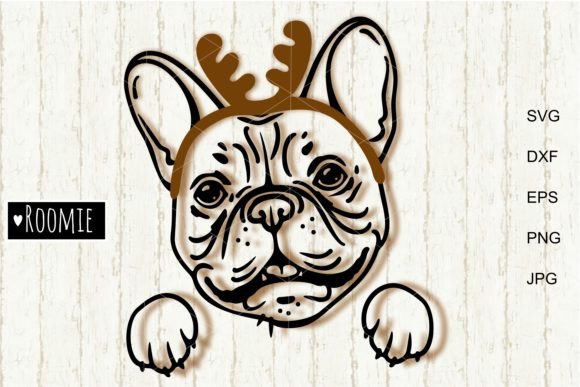
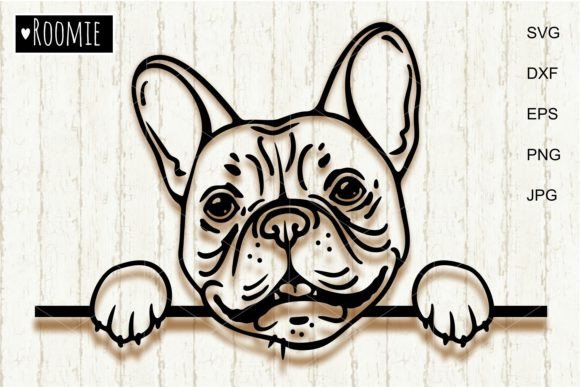
The Frenchie graphic presents a single French bulldog face, centered and drawn in a handcrafted style. The ears are rounded, the snout is broad, and the expression lands somewhere between alert and gently goofy—exactly what bulldog lovers expect. The line weight is consistent, giving it a unified look whether you view it as an SVG cut file or imagine it as a stitched piece. The design sits in the Crafts category, and it clearly belongs to the Graphics type, but its real home is on a finished product that people will wear, carry, or display.
The mood is playful but not cartoonish. It feels personal, like a custom portrait sketch. That makes it ideal for boutique merchandise and handmade gifts. The shape is compact and symmetrical, which simplifies placement on everything from a tote bag to a baby onesie. There is no background clutter, no extra text, no decorative border. Just the dog face. That focus gives you flexibility as a designer or small shop owner. You can scale it, rotate it, pair it with text, or let it stand alone.
Where Frenchie Shines in Real Embroidery Projects
After studying the vector, I started imagining it on actual merchandise. The Frenchie design performs best when the project calls for charm and recognizability without overwhelming the garment. A French bulldog silhouette or face is an instantly recognizable motif for dog lovers, and this hand-drawn version adds a bespoke feel that commercial clipart often lacks.
Here are the applications where I see it doing well:
- Custom apparel: Sweatshirts and t-shirts with a chest-sized Frenchie make strong gifts or boutique bestsellers. The design sits naturally on a left chest or center front.
- Tote bags: A medium to large version on a canvas tote creates a cute, everyday accessory. The hand-drawn style matches the handmade vibe of a crafted bag.
- Baby and kids wear: A small Frenchie on a onesie, romper, or toddler tee feels soft and friendly. Parents respond to designs that look original rather than mass-produced.
- Embroidered patches: Because the shape is contained, it works well as a patch. Stitch it as an applique or a dense fill patch, and it can be ironed onto backpacks, jackets, or leashes.
- Caps and hats: The compact face fits a cap front, though you will want to test stitch density on the curve. More on that later.
- Pillow covers and nursery decor: A Frenchie face on a small throw pillow or nursery wall art adds personality. The hand-drawn aesthetic keeps it from feeling too slick or generic.
- Holiday and personalized gifts: Combine it with a name or a small heart, and you have a quick, sellable item for dog-owning customers.
For Etsy sellers and craft business owners, this design is immediately usable. You can create a series of products around one dog theme—think matching sweatshirts for owners and bandanas for pets—and maintain brand consistency across your shop.
A Real Project Test: The Custom Sweatshirt Scenario
I walked through the process of putting Frenchie on a mid-weight cotton-blend sweatshirt. Here is how the thinking went.
First, I considered scale. At about four inches wide, the face remains readable without losing the hand-drawn details. The snout and ear shapes need enough real estate to keep their proportions. If I shrank it to two inches for a small baby onesie, I would need to check whether the finer lines in the original vector translate into clean stitching. The original design description mentions it is an SVG file, so I would open it in my embroidery software and adjust stitch settings before committing to a small hoop.
Second, thread colors. A single-color version in black or dark gray on a light garment would be elegant and modern. But the Frenchie face also invites more playful palettes: a cream snout with a brindle brown head, or a charcoal outline with a white fill. Because the design is hand drawn, you can treat it as a line art piece or assign fill stitches to different areas. I would recommend testing at least two colorways before launching a product line.
Third, placement. Centered on the front of a sweatshirt works for a statement piece. For a more subtle look, place it on the left chest or on the back yoke. The design is balanced, so it does not fight with necklines or seams.
After mentally stitching it, I felt confident that Frenchie would produce a finished product customers would reach for. It hits that sweet spot between cute and tasteful.
Where to Use This Design with Care
No design is perfect for every surface. Here is where I would be cautious with Frenchie.
- Small hoop sizes: If you are working with a 4x4 hoop, test the design at the maximum size that fits. The face details need enough room for the snout shape and ear curves to read clearly. Below two inches, you risk losing the hand-drawn character.
- Textured fabrics: Fleece, thick terry, or heavy knits can obscure fine lines. Use a sharp needle and a medium-weight cutaway stabilizer to keep the stitch definition crisp.
- Stretchy fabrics: On jersey or performance knits, the design may distort if not properly stabilized. Hoop with a stabilizer that matches the fabric stretch, and consider a lightweight backing to prevent puckering around the snout area.
- Dark fabrics: The hand-drawn line quality shows best on light or medium backgrounds. On black fabric, you will need a white or bright thread underlay to make the shape pop. Alternatively, use a bold outline to maintain contrast.
- Curved surfaces like caps: The Frenchie face is compact, which helps. But the ear shapes sit higher, and if the cap curve is steep, those ears could shift. Test on a practice cap before committing to an order of fifty.
- Items that need frequent washing: For baby clothes or kitchen towels, make sure your stitch density is tight enough to hold shape but loose enough to avoid warping. A dense fill may shrink over time. Use quality thread and a soft stabilizer that can be trimmed close.
Stitching Considerations for the Frenchie Graphic
Because the original file is a hand-drawn vector, the embroidery conversion will determine everything. I recommend opening it in your digitizing software and looking at three things.
Stitch density: The hand-drawn lines may be thin, so you may want to use a satin stitch or a narrow fill stitch for the outlines. If the design has open areas, decide whether to fill them or leave them as negative space. A running stitch for the inner details can keep the sketchy feel alive.
Thread color contrast: The Frenchie face has distinct areas: ears, head, snout, eyes, nose. Plan your color breaks carefully. A two-color version (outline plus fill) is the safest starting point. If you want to match the hand-drawn look, consider using a darker thread for the outline and a lighter shade for the fill, similar to a coloring book style.
Stabilizer choice: For most woven and knit fabrics, a medium-weight cutaway stabilizer will serve well. For dense fills, use a backing that prevents tunneling. If you are creating patches, use a tear-away stabilizer and consider adding a border stitch.
I always tell embroiderers to run a test stitch-out on scrap fabric before stitching the final product. With Frenchie, test at the intended size and fabric type. Pay attention to whether the snout shape remains soft and whether the ears connect cleanly to the head. A small adjustment in stitch angle can make a big difference.
How Frenchie Affects Product Value and Customer Trust
Design quality directly influences how buyers perceive your handmade product. A well-stitched Frenchie on a sweatshirt signals that you care about detail. It tells the customer that this is not a cheap iron-on decal but a considered embroidery project. That perception raises the perceived value of your item and justifies a higher price point.
For Etsy sellers and small shop owners, the Frenchie design offers a recognizable theme that dog lovers search for. When the design stitches cleanly, it builds trust. Repeat customers come back because they know your products look good after multiple washes. The hand-drawn style also adds a sense of authenticity that mass-produced designs lack. That is currency in a market full of generic options.
From a branding perspective, you can use Frenchie as part of a cohesive pet-themed collection. Pair it with a paw print, a bone, or a custom name. A consistent visual language across your product line makes your shop look professional and intentional.
Practical Notes for Designers and Shop Owners
Before you sell finished products using this design, take a few steps to protect your work and your customers.
- Test on scrap fabric first. I cannot overstate this. Every machine, every thread brand, and every fabric type behaves differently.
- Check thread color contrast in black and white. If the design loses shape in grayscale, adjust your colors until the silhouette is clear.
- Confirm the hoop size required. The design description does not specify dimensions in the snippet provided, so measure the vector in your software and choose a hoop that gives at least half an inch of clearance around the design.
- Review the end-use license. Since the product is listed as a digital vector file for cutting machines like Cricut and Silhouette, confirm whether the license covers commercial embroidery projects. If you plan to sell finished products or the digital embroidery file itself, make sure your license allows it. When in doubt, contact the seller.
- Inspect small details for clarity. The eyes and nose on the Frenchie face are small. If they are too fine for your needle size or fabric, consider simplifying them or using a thicker stitch.
- Compare light and dark fabric backgrounds. A design that looks crisp on white cotton may disappear on navy fleece. Test both scenarios.
- Use proper stabilizer. This single step prevents more embroidery failures than any other. Match the stabilizer to the fabric weight and stitch density.
For those selling digital products, the Frenchie file can also serve as a printable mockup element. Use the SVG to create product previews for your Etsy listings without stitching every sample. That saves time and helps customers visualize the finished item.
Final Thoughts on the Frenchie Embroidery Design
The Frenchie hand-drawn vector is more than a cute dog face. It is a usable, adaptable design asset that fits naturally into the Crafts and Graphics categories while performing best when turned into real, tangible products. Its hand-drawn character gives it an edge over stiff clipart, and its compact shape makes it versatile across apparel, accessories, and decor.
For embroidery designers and small business owners, this design offers a quick path to a marketable product. Dog-themed merchandise sells year-round, and a French bulldog face has broad appeal among pet owners. With proper testing, careful stitch planning, and attention to fabric choice, Frenchie can become a reliable addition to your product lineup. Whether you sew it onto a sweatshirt for a client, stitch it onto a tote for a craft fair, or use it as a patch for a custom order, the design holds its own.
Ultimately, a design is only as good as the project it completes. Frenchie is ready for real work. The rest is up to you and your machine.