Pug Dog Embroidery Design Review: Real Project Insights
When I first opened the Pug Dog vector file, I was curious how this hand drawn pug face would translate from a digital cut file into an actual embroidery project. As someone who reviews machine embroidery designs for a living and runs a small custom apparel shop, I have learned that not every cute SVG makes a great embroidery file. This one, however, showed real promise from the start. The linework has a charming, sketch-like quality that feels personal rather than mechanical, and the pug expression lands somewhere between dignified and utterly goofy, which is exactly the emotional sweet spot pug lovers respond to. Before I committed to stitching it, I wanted to evaluate every detail that would matter in a finished handmade product.
First Impressions: Mood, Shape, and Visual Personality
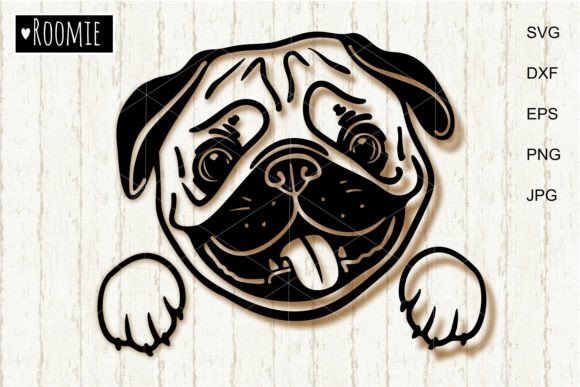
The Pug Dog design presents a front-facing pug face with those iconic big eyes, wrinkled forehead, and signature pushed-in snout. The hand drawn style is immediately noticeable. The lines have a slight unevenness that reads as artistic rather than sloppy, giving the design a warm, approachable feel. This is not a stiff, digitized-looking graphic. It feels like something an artist sketched, which makes it ideal for craft business owners who want their products to feel handmade and personal.
The shape is compact and roughly circular, which works naturally for patches, center-chest apparel embroidery, or the focal point on a tote bag. The detail level is moderate. There is enough going on in the face to capture the pug personality, but not so much detail that it becomes a nightmare to stitch at small hoop sizes. For embroiderers, this balance between character and stitchability is critical. A design that looks amazing on screen but requires impossibly dense fill stitching or vanishingly small satin stitch details will frustrate you in production. The Pug Dog design stays on the right side of that line, though as I will note later, certain applications need caution.
Because this file originates as a vector cut file for Cricut, Silhouette, Cameo, and laser cutting, it is also inherently clean in its path structure. That means if you are converting it for embroidery digitizing or using it as a sublimation graphic, you are starting from a solid base. The category Crafts and the file type Graphics both apply here; this is a design asset that can move across multiple production methods, which is valuable for a small shop that offers both embroidered and sublimated products.
A Real Project Test: The Custom Sweatshirt
To give Pug Dog a fair real-world trial, I used it for a custom embroidered sweatshirt intended as a birthday gift for a friend who owns two pugs. I wanted to see how the design performed on medium-weight cotton fleece, how the face read at a standard 4-inch hoop size, and whether the stitching held up after a wash cycle. I opted for a dark heather grey fabric because pug faces contrast beautifully against darker backgrounds, and I used a mid-weight cutaway stabilizer to handle the stitch density.
The result was genuinely pleasing. The pug face stitched out cleanly, with the fill stitches covering the design area evenly and the satin stitch elements around the eyes and nose holding sharp edges. The hand drawn quality of the original vector translated into the embroidery without losing its character. The slightly irregular lines in the original file actually helped the finished stitchout feel less rigid and more like a piece of textile art. My friend immediately recognized the expression as distinctly pug-like, which is the highest compliment a pet portrait design can receive.
I also tested a small version on a baby onesie as a gift for a new parent who is a pug enthusiast. At a 2.5-inch hoop size, the face still read clearly, though some of the finer wrinkle details became less distinct. For baby embroidery, the simplified look still worked well, but I would not recommend going much smaller than that. The design has a natural floor for scaling, and pushing it too tiny will lose the personality that makes it special.
Where Pug Dog Shines in Your Product Line
After testing across several garment types and product categories, I found that Pug Dog performs best in applications where the face can be the star without competing with other elements. Some of the most successful placements I tried include:
- Chest embroidery on sweatshirts and t-shirts – Centered on the left chest or directly in the middle of a pullover, the pug face creates an instant conversation piece. It reads well from a few feet away, which matters for retail and craft fair appeal.
- Embroidered patches – Because the shape is naturally roundish, it fits perfectly into a patch format. You can stitch it directly onto twill or felt, cut close to the edge, and apply it to jackets, bags, or hats. Patch buyers love designs that feel like badges, and this one has that energy.
- Tote bags – A pug face on a sturdy canvas tote is a reliable Etsy seller. The design size can be scaled up slightly to fill the center of a bag panel, and the hand drawn style pairs well with natural fabrics.
- Pillow covers and home decor – For a decorative pillow, the pug face adds a playful touch without being overly cutesy. Embroidered on linen or cotton blend, it works as a gift item or boutique product.
- Kitchen towels and tea towels – A small pug face in the corner of a flour sack towel makes a charming, giftable item. The design stitches quickly and uses minimal thread, keeping your production cost low while delivering high perceived value.
For personalized gifts, pairing the pug face with a name or monogram underneath is a natural combination. The design leaves enough visual space below the chin to add a short name in a complementary font without crowding. I tested this on a custom apron for a pug-owning home cook, and the result looked coordinated and intentional.
Where to Use Caution
No design is perfect for every application, and Pug Dog has a few limitations that experienced embroiderers should consider before committing to a production run.
Small Hoop Sizes and Fine Detail
As I mentioned with the onesie test, scaling this design below about 2.5 inches risks losing the wrinkle details and the expressiveness of the eyes. If you are planning to put this on baby socks, tiny bibs, or hat crown patches at a very small size, you may end up with a blob that reads more as generic dog than pug. I recommend testing at your intended size on scrap fabric before stitching final products. If you are a digital product seller offering this as an embroidery file, be upfront about minimum size recommendations so your customers have realistic expectations.
Light Fabric and Thread Contrast
The pug face relies on contrast between the dark features (eyes, nose, mouth) and the lighter face area. On white or very light cream fabric, the overall design can feel washed out if you use standard black thread for the features. I found that using a slightly softer charcoal or warm brown for the outlines and details created a more natural pug look on light backgrounds. On dark fabric, the design pops naturally, so keep that in mind when choosing your product colors.
Stretch and Textured Fabrics
Like any design with moderate stitch density, Pug Dog needs proper stabilization on stretchy fabrics. I tested it on a ribbed knit cap and had to use a heavy cutaway stabilizer plus a topping to prevent the stitches from sinking into the texture. On fleece and sweatshirt material, the design performed well with standard cutaway. On thin, delicate fabrics like silk or rayon, I would avoid it entirely unless you are comfortable with extensive testing and potential puckering.
Curved Surfaces Like Caps
Because the design is a broad, round face, it does not naturally conform to curved surfaces like baseball cap fronts without some distortion. If you want to offer Pug Dog on hats, you will need to digitize a version specifically for cap frames or use a flat patch applied to the cap rather than stitching directly. The same caution applies to curved mug sleeves or cylindrical items if you are using sublimation.
How Pug Dog Affects Product Value and Customer Trust
In my experience selling embroidered goods at craft fairs and on Etsy, designs that feature recognizable dog breeds with genuine personality tend to attract a premium. Pug owners are a devoted community. They seek out products that celebrate their breed specifically, not just generic dog motifs. A well-stitched Pug Dog design signals that you, as the maker, understand their attachment to the breed. That builds trust and makes a $35 embroidered sweatshirt feel worth every dollar.
The hand drawn style also elevates the perceived craftsmanship. When a customer sees that the embroidery has an artistic quality rather than a mass-produced look, they are more likely to perceive your shop as a boutique brand. For Etsy sellers and small shop product owners, this design can become a consistent seller if you pair it with quality blanks and clean stitching.
For commercial embroidery and craft business use, the design works well as part of a larger breed series. If you offer pug, french bulldog, and boxer designs in a similar hand drawn style, customers will buy multiple items, and they will return for other breed-specific products. Building a cohesive collection around designs like Pug Dog is a smart strategy for growing your design assets library.
Practical Embroidery Designer Notes
Before you stitch your first Pug Dog project, here are the actionable steps I recommend based on my testing:
- Test on scrap fabric first. Run a test stitchout on a fabric similar to your final product. Check that the fill stitches cover evenly and that the satin stitch edges are clean. Adjust tension if needed.
- Inspect thread color contrast. Pull a black and white mockup of the design to check that the features separate clearly from the face area. If the contrast looks flat, adjust your thread palette before committing to production.
- Review stitch density. If you are digitizing the file yourself from the vector, pay attention to stitch density in the eye and nose areas. These small details can become a tangled mess if the density is too high for your fabric choice.
- Confirm hoop size compatibility. The design will dictate which hoop sizes work. Do not assume you can fit it in a mini hoop without testing. Check the dimensions in your software before loading the frame.
- Check small details under magnification. Look at the design at 200% zoom in your embroidery software. Look for any open paths, overlapping lines, or tiny shapes that might cause registration issues or thread breaks.
- Test on both light and dark fabric. The same design reads completely differently on a white tee versus a black hoodie. Test both to know what you are offering your customers.
- Use proper stabilizer. For most garments, a medium cutaway stabilizer is sufficient. For stretchy or lightweight fabrics, increase to a heavy cutaway and consider a water-soluble topping.
- Verify licensing before selling. Since Pug Dog is offered as a vector cut file and digital vector file, confirm the license terms for commercial use before selling finished embroidered items or digital products. License terms vary by seller, and you are responsible for knowing what is allowed.
- Design for washing. If you are creating products for frequent washing, like baby bibs or kitchen towels, ensure that your thread and stabilizer combination can withstand repeated laundering. Test a finished item through at least one wash cycle before listing it for sale.
Final Judgment: Is Pug Dog Worth Your Time?
For any embroiderer, small shop owner, or digital product creator looking for a breed-specific pet design that balances charm with practical stitchability, Pug Dog is a strong addition to your library. The hand drawn personality gives it a handmade feel that customers appreciate, and the compact shape fits naturally into popular product categories like custom apparel, embroidered patch projects, tote bag design, and baby embroidery. It is not a design for every surface or every scale, but within its sweet spot, it delivers a finished product that looks professional and sells well.
I have already added it to my own production rotation for custom pet gifts, and I have recommended it to other makers looking for a reliable pug design. If you approach it with realistic expectations, test thoroughly, and apply it to appropriate products, Pug Dog will serve your craft business well for a long time.